
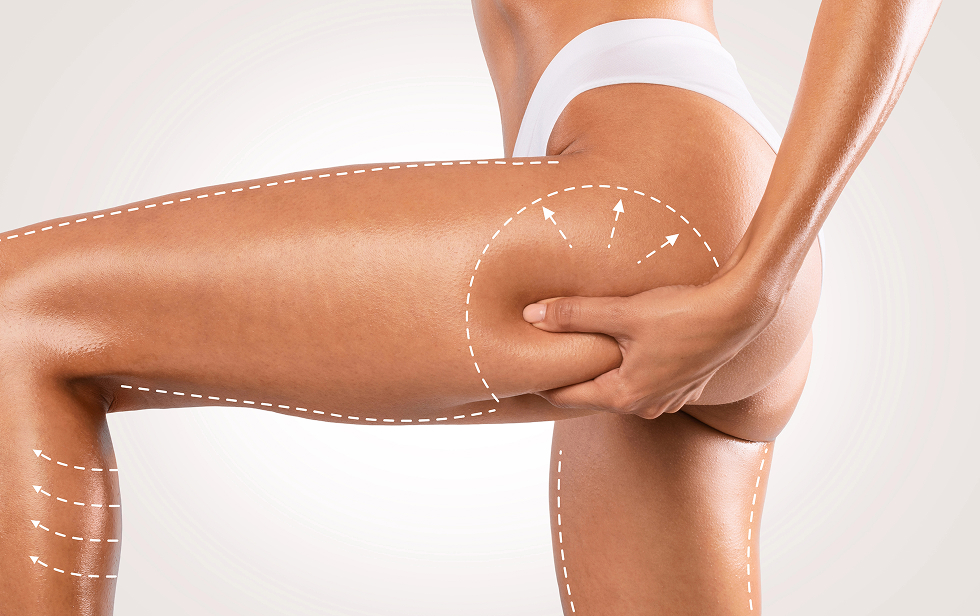
Many people assume thigh lifts are only about removing excess skin, but the reality is more nuanced. The procedure reshapes contours, improves symmetry, and can even enhance mobility or comfort in daily life. What is seldom discussed is how factors like tissue quality, genetics, and prior weight fluctuations influence who truly benefits. Understanding these details helps you decide whether a thigh lift—or a combined approach with body contouring—is right for your goals.
Understanding Thigh Lift Surgery
A thigh lift is more than just removing excess skin—it’s about sculpting and rebalancing the thigh to improve proportion, contour, and even comfort. While many patients focus solely on appearance, what is rarely discussed is how the procedure can address subtle asymmetries, uneven tissue distribution, and changes caused by aging or weight fluctuations. There are several types of thigh lifts, including inner thigh lifts and extended or medial lifts, each tailored to different degrees of sagging or skin laxity. In some cases, combining the lift with liposuction or other body-contouring procedures creates smoother, longer-lasting results that adapt naturally to a patient’s unique body shape and lifestyle.
Who Makes a Good Candidate?
Ideal candidates for a thigh lift are not defined solely by excess skin—they are defined by how their body responds to tissue reshaping. People who have experienced significant weight loss often have loose skin that doesn’t tighten on its own, while aging or genetics can lead to sagging even without major weight changes. What is seldom discussed is that skin quality, thigh muscle tone, and overall symmetry play a crucial role in determining whether a lift alone will suffice or if combining it with liposuction or other body-contouring procedures is necessary. Candidates should be in good health, maintain a stable weight, and have realistic expectations about contour, scars, and recovery.
Factors to Consider Before Surgery
Deciding on a thigh lift involves more than noticing sagging skin. Many subtle factors—often overlooked by patients and even some surgeons—can influence the safety, results, and longevity of your surgery. Understanding these elements beforehand helps you set realistic expectations and make an informed choice:
- Overall Health and Medical History: Chronic conditions, such as diabetes or circulatory issues, can affect healing and increase complication risks. Even minor lifestyle factors, like smoking or certain medications, can influence tissue recovery and scar formation.
- Skin Quality and Elasticity: Skin that has lost elasticity may require a more extensive lift, whereas firmer skin may respond well to a less invasive procedure. What is seldom discussed is that the degree of elasticity can predict how natural the contour will look over time.
- Thigh Shape and Fat Distribution: Not all thigh sagging is the same—some patients have more fat in the inner thigh, others in the outer, or uneven distribution. Tailoring the incision and lift technique to these subtle differences ensures a smoother, balanced contour.
- Body Proportion and Symmetry: A lift should consider the thighs in relation to hips, knees, and overall leg shape. Rarely discussed is that asymmetry can persist unless the procedure is customized to correct it, not just remove skin.
- Weight Stability and Future Changes: Significant fluctuations in weight after surgery can affect results, potentially stretching the skin again. Patients with stable weight and realistic expectations about future changes generally see longer-lasting outcomes.
- Lifestyle and Activity Level: Highly active individuals may need a modified approach to preserve mobility and avoid tension on the incisions. The procedure should fit both aesthetic goals and functional needs, which is often overlooked in pre-surgery discussions.
- Recovery Commitment: Recovery can involve weeks of limited activity, compression garments, and careful wound care. Understanding the commitment required helps prevent complications and supports optimal healing.
- Combination Procedures: Sometimes, adding liposuction or other body-contouring treatments enhances results, but each addition affects recovery and tissue healing. Considering these combinations ahead of time allows for better planning and realistic expectations.
- Psychological Readiness: Beyond physical factors, patients who understand the realistic results, scars, and changes to body perception tend to have higher satisfaction. Mental preparedness is often underestimated in discussions about candidacy.
Will a Thigh Lift Affect Thigh Function or Movement?
Many patients worry that removing excess skin might restrict walking, running, or everyday movement, but this is rarely the case when the procedure is properly planned. A skilled surgeon takes into account the tension of the skin and underlying tissues, placing incisions in a way that preserves flexibility and natural motion. What is seldom discussed is that, in some cases, removing excess skin can actually improve comfort by reducing friction, chafing, or irritation during activity. Thoughtful preoperative planning ensures that the thighs remain fully functional, allowing patients to maintain an active lifestyle while achieving smoother contours and a balanced silhouette.
How Long Do Results Last?
The longevity of a thigh lift is influenced by more than just surgical technique. While the procedure permanently removes excess skin, what is seldom discussed is how aging, gravity, and lifestyle factors like exercise, diet, and weight fluctuations continue to shape the body over time. Patients who maintain a stable weight and healthy habits generally enjoy results that last many years, while significant changes in body composition can affect contour and symmetry. Additionally, tissue quality and genetics play a role in how skin settles after surgery. Understanding these factors helps set realistic expectations for long-term results beyond the initial transformation.
Can a Thigh Lift Be Combined With Other Procedures?
Thigh lifts are often part of a broader body-contouring plan, especially after significant weight loss, but the nuances of combination surgery are rarely discussed. Pairing a thigh lift with liposuction can refine contour and address stubborn fat pockets, while combining it with procedures like tummy tucks or arm lifts can create a more harmonious overall silhouette. What is seldom emphasized is that each additional procedure affects recovery, tissue healing, and incision placement. Careful planning ensures that the procedures complement one another rather than compete, enhancing long-term symmetry, maintaining mobility, and producing results that appear natural and proportionate to the rest of the body.
Conclusion
Choosing a thigh lift involves more than removing excess skin—it’s about understanding your body, your goals, and how subtle factors like tissue quality, symmetry, and lifestyle influence long-term results. By carefully considering candidacy, recovery, and possible combination procedures, you can achieve a smoother, more balanced thigh contour that supports both appearance and comfort. To explore whether a thigh lift—or a customized body-contouring plan—is right for you, visit us or call +1 248-557-7788 to schedule a personalized consultation with our experienced team in West Bloomfield, MI.